

How to Become a Louisiana Medicaid Paid Caregiver for a Family Member
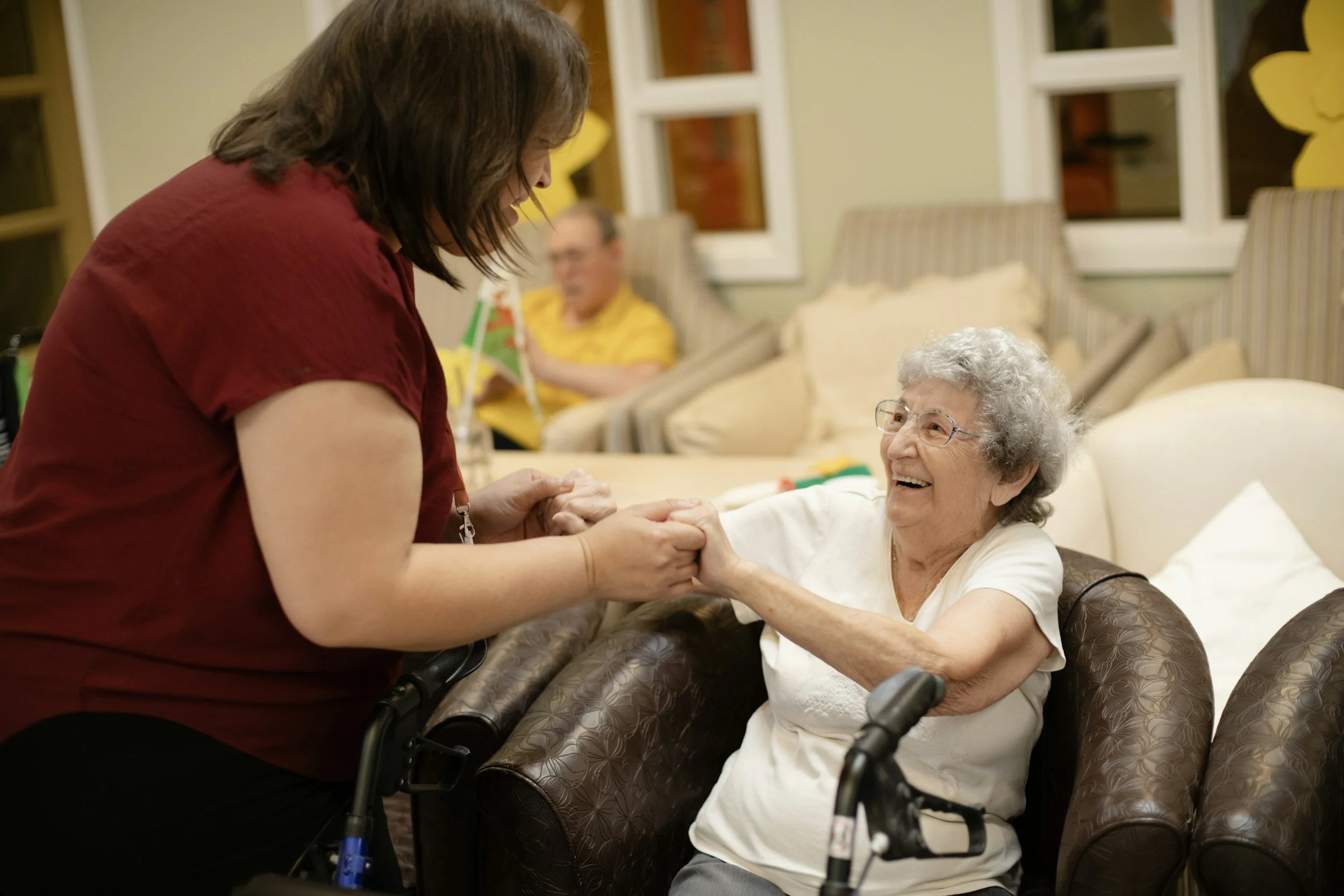
Many Louisiana families are already providing full-time care for a parent, spouse, or loved one with a disability without financial support. Louisiana Medicaid may change that, allowing eligible family members — including adult children and, in some cases, spouses — to be paid for care at home. The two main pathways are Monitored In-Home Caregiving (MIHC) through the Community Choices Waiver and self-direction through select waiver programs, both requiring waiver enrollment and a nursing home level of care.
If your loved one is not yet enrolled in Louisiana Medicaid or you’re unsure whether they qualify, the Nest Health Louisiana Medicaid Guide covers eligibility, income limits, and how to apply.
Key takeaways
- Two Medicaid pathways pay family caregivers in Louisiana. Monitored In-Home Caregiving (MIHC) through the Community Choices Waiver and the self-direction option both let eligible family members — including adult children and, in some cases, spouses — get paid for care they already provide at home.
- Pay comes as a Medicaid reimbursement, not directly to the caregiver. MIHC pays a per-day rate based on the care recipient's assessed acuity level, and a licensed provider agency passes along a daily stipend after retaining a portion for oversight and administration.
- Both the care recipient and the caregiver have to qualify. The care recipient must be a Louisiana Medicaid enrollee in a qualifying waiver who meets a nursing home level of care, while the caregiver must be at least 18, live with the care recipient (for MIHC), pass a background check, and complete required training.
- Spouses can be paid, but usually need extra approval. Under self-direction a spouse generally can't be the paid caregiver unless OAAS approves an "extraordinary care" exception, while MIHC allows a spouse to serve as the live-in caregiver.
What Louisiana Medicaid Programs Pay Family Caregivers?
Louisiana Medicaid offers two main pathways for family members to be paid as caregivers, both accessed through Home and Community-Based Services (HCBS) waiver programs.
Monitored In-Home Caregiving (MIHC): MIHC is Louisiana's version of Structured Family Caregiving, sometimes called adult foster care. Under MIHC, a family member or friend — including an adult child or spouse — lives with the care recipient and is paid a daily stipend through a licensed MIHC provider agency to provide full-time care. The caregiver works with a professional care manager or nurse from the agency, who provides training, ongoing support, and monitoring. The care recipient must be enrolled in the Community Choices Waiver (CCW), and MIHC participants cannot simultaneously receive personal assistance services or home-delivered meals.
Self-Direction (Consumer-Directed Care): With self-direction, the care recipient chooses their own caregiver — who can be a family member — and directs their own care within their approved service budget. A financial management services agency handles payroll and tax withholding on the caregiver's behalf. This option is available through several Louisiana waivers, including the Community Choices Waiver. Under this pathway, a spouse is treated as a "Legally Responsible Individual" and generally cannot be the paid caregiver unless OAAS approves an exception under its Extraordinary Care criteria (more on this below).
How Much Do Family Caregivers Get Paid in Louisiana?
Compensation for paid family caregivers in Louisiana varies by program, the care recipient's assessed needs, and the provider agency.
Louisiana Medicaid reimburses MIHC services on a per-day basis, at one of two tiers depending on the care recipient's assessed acuity level. This is the total Medicaid reimbursement for the service, not the full amount that goes directly to the caregiver. The live-in caregiver receives a daily stipend through a licensed MIHC provider agency, which also retains a portion to cover oversight, care management, and administrative costs. The caregiver's actual take-home amount will be less than the reimbursement rate and varies by agency — a licensed MIHC provider agency or your support coordinator can walk you through current rates for your situation.
Program availability, pay rates, and eligibility rules can also shift with broader federal Medicaid policy — HCBS programs are funded in part by federal dollars, and recent federal budget changes have put pressure on states' home-and-community-based service budgets nationally. Readers should verify current figures and program status directly with LDH or a licensed agency.
Nest services may be available to your family at no additional cost through your Medicaid health plan.
Who Qualifies to Be the Care Recipient and Who the Caregiver?
Eligibility has two sides: the care recipient and the caregiver must both meet requirements.
The care recipient must:
Be a Louisiana Medicaid enrollee
Be enrolled in or eligible for a qualifying HCBS waiver, primarily the Community Choices Waiver for older adults and people with physical disabilities ages 21–64
Meet a nursing home level of care, meaning they need hands-on help with Activities of Daily Living such as bathing, dressing, mobility, eating, or toileting
Have income at or below $2,982 per month and assets at or below $2,000 (2026 figures, subject to annual change)
The caregiver must:
Be at least 18 years old
Reside with the care recipient (required for MIHC)
Pass a background check
Complete the required training provided by the licensed MIHC agency
Not be the care recipient's legally responsible individual (e.g., spouse or legal guardian) unless the Office of Aging and Adult Services (OAAS) approves an exception based on "extraordinary care" criteria, requested through the provider agency via the OAAS LRI/Spouse Request Form
A waiting list (called the Request for Services Registry) may apply for the Community Choices Waiver — priority is given to individuals experiencing abuse or neglect, those with ALS, and nursing home residents who can return home with support.
A note on paperwork: if a spouse or other legally responsible individual wants to be paid as a caregiver under the Community Choices Waiver, the correct mechanism is the OAAS LRI/Spouse Request Form, completed by the provider agency or self-direction employer and submitted to the OAAS Regional Office for review, with OAAS making the extraordinary care determination. This is different from the Family as Paid Caregiver Attestation Form (OCDD-RF-23-002), which applies only to the OCDD developmental disability waivers (NOW, ROW, Children's Choice, Supports) — not to the Community Choices Waiver. Using the wrong form for the wrong waiver can delay approval, so confirm with your support coordinator which one applies to your situation.
Step by Step Guide on How to Get Started
Confirm or apply for Louisiana Medicaid. The care recipient must be enrolled in Louisiana Medicaid. If not yet enrolled, apply at MyMedicaid.la.gov or call LDH at 1-888-342-6207.
Request a level-of-care assessment. Contact the Louisiana Options in Long-Term Care helpline at 1-877-456-1146 to request an assessment for waiver services.
Apply for the Community Choices Waiver. If the care recipient meets the clinical and financial criteria, apply for CCW enrollment. Be aware that a waiting list may apply.
Choose your caregiving pathway. Once enrolled, work with a support coordinator to select either MIHC or the self-direction option.
Enroll through a licensed provider agency. The agency will conduct a home assessment, complete the caregiver background check, and provide required training.
Complete the required paperwork. If the caregiver is a spouse or other legally responsible individual, your provider agency or self-direction employer will submit an LRI/Spouse Request to OAAS for approval — ask your support coordinator about this step.
Begin providing care and receiving payment. Caregivers submit daily notes electronically through the agency and receive payment through the agency or a financial management services provider.
How Nest Health Supports Caregiving Families
Nest Health provides whole-family in-home and virtual care for eligible Medicaid members in the New Orleans and Baton Rouge areas, including primary care, behavioral health, chronic disease management, and care coordination — which can be a meaningful support for both care recipients and family caregivers managing complex needs at home.
Nest does not enroll caregivers or administer caregiver pay programs, but if the person being cared for is a parent under 65 with children at home who is covered by a participating Healthy Louisiana plan, Nest's in-home and virtual care may be available to support the whole household.
Nest services may be available to your family at no additional cost through your Medicaid health plan. Call 866-222-NEST (6378) to check your eligibility.
FAQs
Start your family's care at home, today.
Nest services may be available to your family at no additional cost through your Medicaid health plan. Call 866-222-NEST (6378) to check your eligibility.
